Easy Chow Mein Recipe | Better Than Takeout Noodles - This easy chow mein recipe is everything people want when they search for better than takeout noodles: fast, flavorful, satisfying, and packed with that irresistible savory umami taste that makes Chinese takeout so addictive. The noodles are perfectly coated in a glossy sauce, the vegetables stay crisp-tender, and the overall dish delivers a balance of salty, slightly sweet, and deeply savory flavors that make it hard to stop eating. Unlike many takeout versions that can feel greasy or overly heavy, this homemade chow mein recipe keeps things clean, fresh, and vibrant while still delivering the comfort and bold taste people expect. It is the kind of quick noodle recipe that works for busy weeknights, meal prep, or anytime you want a reliable and highly satisfying dish without ordering out. The texture is just as important as the flavor here. Properly cooked noodles should be soft but not mushy, slightly chewy, and able to hold onto the sauce without clumping. The vegetables add freshness and crunch, preventing the dish from feeling one-dimensional. Classic cabbage, carrots, and green onions are used because they cook quickly and keep their texture, but the recipe is flexible enough to include other vegetables depending on what you have on hand. This flexibility is part of what makes chow mein such a strong recipe choice for home cooking. It adapts easily, uses simple ingredients, and still delivers restaurant-level results when done correctly. This is exactly the type of recipe people search for when looking for easy chow mein, quick noodle dinner, better than takeout recipes, stir fry noodles, or simple Asian-inspired meals that can be made at home without complicated techniques. It is also highly shareable, visually appealing, and consistently performs well as both a dinner recipe and content piece because it combines comfort food with convenience and strong flavor appeal.
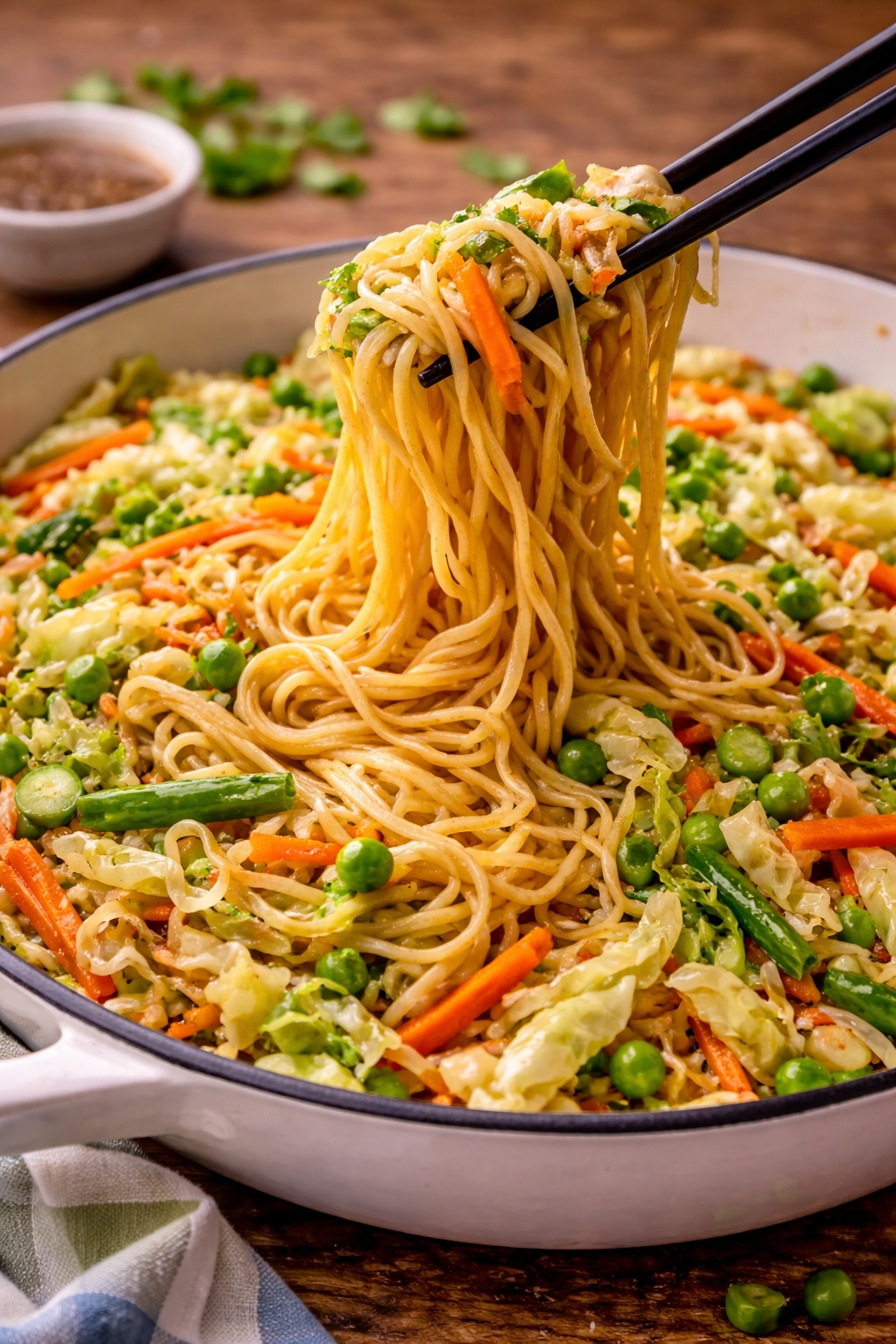
Easy Chow Mein Recipe | Better Than Takeout Noodles - This chow mein recipe works because it focuses on technique as much as ingredients. One of the most important steps is cooking the noodles correctly. Overcooked noodles will break down in the pan and create a sticky texture, while undercooked noodles will not absorb the sauce properly. The goal is to cook them just until tender, then rinse lightly or toss with a bit of oil to prevent sticking before stir-frying. The sauce is another critical component. A proper chow mein sauce should be balanced, not overly salty or overly sweet. Soy sauce provides the base, oyster sauce adds depth and umami, a touch of sugar balances everything, and a small amount of sesame oil brings aroma and richness. Garlic and ginger are essential for building the signature stir-fry flavor that makes the dish taste authentic and not flat. Heat control also matters. Cooking over medium-high to high heat allows the vegetables to stay crisp while still developing flavor. If the heat is too low, the vegetables will steam instead of stir-fry, and the dish will lose its signature texture. Stir-frying quickly in batches, if needed, prevents overcrowding and keeps everything vibrant. Another important detail is adding the sauce at the right moment. It should be added once the vegetables and noodles are hot and ready, allowing it to coat everything evenly and slightly caramelize in the pan. This creates that glossy finish and deep flavor that defines great chow mein. This shows how even a simple noodle recipe becomes significantly better when technique is respected. The method is straightforward but delivers professional results, which aligns with my focus on technique over complexity. The final result is a bowl of noodles that tastes fresher, cleaner, and more balanced than most takeout versions, while still delivering the bold, comforting flavor people crave. It is quick enough for a weeknight meal, flexible enough for ingredient swaps, and strong enough in both taste and presentation to stand out as a go-to recipe for anyone looking for easy chow mein that truly tastes better than takeout.
Dietary Notes
- ✓ Quick Dinner
- ✓ Better Than Takeout
- ✓ Stir Fry Classic
- ✓ Family Meal
♥
Why You'll Love This
- Fast and Easy: This chow mein recipe comes together quickly, making it perfect for busy weeknights and last-minute dinners.
- Better Than Takeout: Fresh ingredients and controlled seasoning make this version cleaner, less greasy, and more flavorful than many restaurant versions.
- Highly Customizable: You can easily add chicken, shrimp, or tofu, and swap vegetables depending on what you have available.
- Strong Flavor Profile: The combination of soy sauce, oyster sauce, garlic, and sesame oil creates a rich and satisfying taste that keeps people coming back.
Easy Chow Mein Recipe | Better Than Takeout Noodles
👩🍳 Author: Abderrahmane
⏰ Prep Time: 20min
❄️ Cool Time: 5
🔥 Cook Time: 10min
🥨 Yield: 4
🍞 Method: Stir-Fry
🌾 Diet: None
★
★
★
★
★
Leave a review
1x
2x
3x
Ingredients
- 200g chow mein noodles
- 2 cups cabbage, shredded
- 1 cup carrots, julienned
- 3 green onions
- 3 cloves garlic, minced
- 1 tsp ginger, minced
- 3 tbsp soy sauce
- 2 tbsp oyster sauce
- 1 tsp sesame oil
- 1 tsp sugar
- 2 tbsp vegetable oil
- to taste salt and pepper
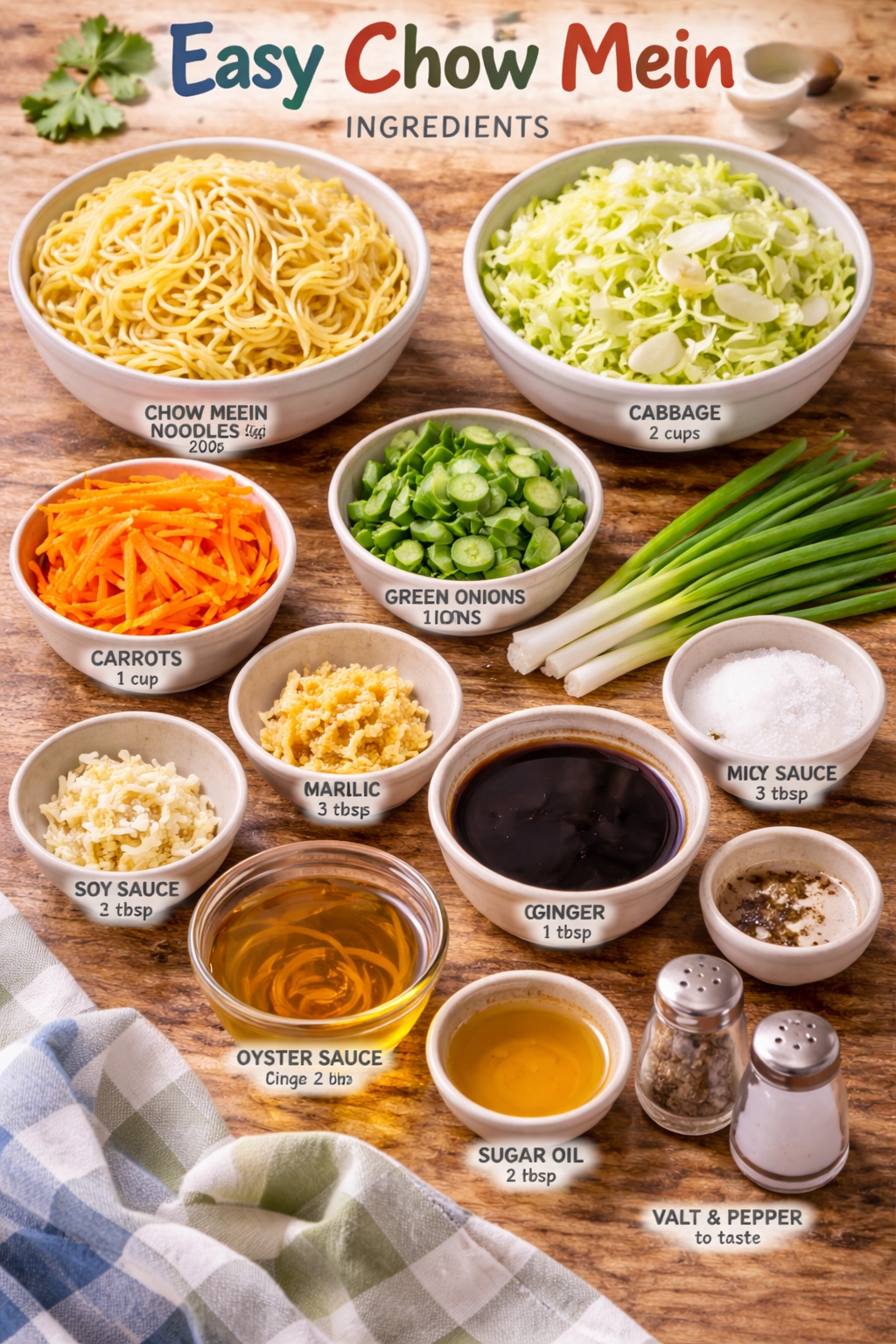
Ingredient Notes:
- chow mein noodles Using the right noodles is key to achieving the authentic texture associated with better than takeout chow mein. Fresh or dried egg noodles both work well, but they should always be cooked just until tender to avoid a mushy result during stir frying.
- cabbage Cabbage is one of the most traditional vegetables used in chow mein because it holds its shape and adds a slight crunch that balances the softness of the noodles.
- carrots Carrots bring natural sweetness and vibrant color, helping balance the savory sauce while making the dish more visually appealing.
- green onions Green onions provide both flavor and freshness, especially when added at the end as a garnish for a bright finish.
- garlic Garlic is essential in building the base flavor of chow mein and should be sautéed briefly to release its aroma without burning.
- ginger Ginger adds warmth and depth, giving the dish a more authentic and balanced flavor profile.
- soy sauce Soy sauce forms the backbone of the sauce, providing saltiness and umami that define the overall taste of chow mein.
- oyster sauce Oyster sauce adds richness and depth, making the dish taste more like restaurant-quality stir fry noodles.
- sesame oil Sesame oil is used sparingly as a finishing ingredient because of its strong aroma and ability to elevate the entire dish.
- sugar A small amount of sugar balances the saltiness of the soy sauce and enhances the overall flavor.
- vegetable oil High-heat oil is important for proper stir frying, allowing the ingredients to cook quickly without sticking.
- salt and pepper Seasoning should be adjusted carefully at the end to avoid overpowering the sauce while still enhancing flavor.
Instructions
-
1Step 1: Cook the noodles according to package instructions until just tender, then drain and set aside - this prevents overcooking and ensures the noodles hold their structure during stir frying.
-
2Step 2: Heat vegetable oil in a large pan or wok over medium-high heat, then sauté garlic and ginger until fragrant - this builds the base flavor for the entire dish.
-
3Step 3: Add cabbage and carrots and stir fry quickly until slightly softened but still crisp - this keeps the vegetables fresh and prevents them from becoming soggy.
-
4Step 4: Add the cooked noodles and toss everything together so the vegetables are evenly distributed - this ensures balanced texture in every bite.
-
5Step 5: Pour in soy sauce, oyster sauce, sugar, and sesame oil, then toss well to coat the noodles evenly - this step creates the signature glossy chow mein finish.
-
6Step 6: Cook for another minute until everything is heated through, then garnish with green onions and serve immediately - this final step ensures the best flavor and texture.
Nutrition Facts
Calories 320
Protein 9g
Carbs 45g
Fiber 3g
Sugar 6g
Fat 12g
Sodium 780mg
Potassium N/A
Serving Suggestions
Serve the chow mein immediately while hot for the best texture and flavor, using wide bowls or plates that allow the noodles to spread slightly instead of clumping together. Garnish with freshly sliced green onions, a sprinkle of sesame seeds, or a light drizzle of sesame oil for extra aroma. For a complete meal, pair it with simple sides like dumplings, spring rolls, or a light soup. This dish works equally well as a main course or a shared dish in a larger spread. The best serving experience comes when the noodles are glossy, the vegetables are still slightly crisp, and the sauce is evenly distributed. If desired, add a squeeze of lime or a dash of chili oil for a slight twist that enhances the flavor without overpowering the classic chow mein taste.
How to Store?
Store leftovers in an airtight container in the refrigerator for up to 3 days. When reheating, use a pan over medium heat rather than a microwave to help restore the texture of the noodles and prevent them from becoming soggy. Add a small splash of water or soy sauce if needed to loosen the noodles and bring back moisture. This recipe is not ideal for freezing because the noodles can lose their texture after thawing. For meal prep, you can prepare the vegetables and sauce in advance, then cook everything fresh when ready to eat. Keeping components separate until cooking time helps maintain the best texture and flavor, making this a reliable and practical option for quick homemade meals.
Other Recipes You'll L❤️ve
If you enjoyed this Easy Chow Mein Recipe | Better Than Takeout Noodles or any other recipe on my blog,
please leave a ⭐ star rating and let me know how it went
in the comments below. I appreciate you taking time to read about this recipe, thank you!

Leave a Comment