Creamy Gochujang Pasta - Creamy gochujang pasta is one of the most powerful examples of Korean fusion comfort food, combining the richness of classic creamy pasta with the bold, spicy, umami-packed depth of gochujang to create a dish that feels both familiar and completely new. This creamy spicy pasta recipe is built to perform in modern food trends where fusion recipes, bold flavors, and visually appealing dishes dominate platforms like Pinterest and social media. The use of gochujang, a fermented Korean chili paste, brings a level of complexity that goes far beyond typical spicy sauces. It delivers heat, sweetness, saltiness, and umami all in one ingredient, making it incredibly efficient for building flavor. When combined with garlic butter, cream, and parmesan cheese, it creates a glossy, smooth, and deeply satisfying sauce that coats every strand of pasta evenly. This is exactly the kind of gochujang pasta people search for when looking for creamy spicy noodles, Korean fusion pasta, viral pasta recipe, or easy comfort food with a twist. The dish balances indulgence and excitement, offering the richness of a creamy pasta while introducing a bold flavor profile that keeps it from feeling heavy or predictable. The color of the sauce, slightly orange-red from the gochujang, also adds visual appeal, making the dish stand out compared to traditional white or red sauces. This visual difference contributes to its strong performance in content, as it signals something new and interesting. The recipe is designed to be approachable, using simple ingredients and straightforward steps while still delivering a restaurant-quality result. It is adaptable, allowing for adjustments in spice level, creaminess, and additional ingredients such as proteins or vegetables. This flexibility ensures that it can appeal to a wide audience while still maintaining its identity as a creamy gochujang pasta. The final result is a dish that is rich, spicy, creamy, and highly satisfying, making it one of the most effective fusion pasta recipes for both everyday cooking and high-engagement food content.
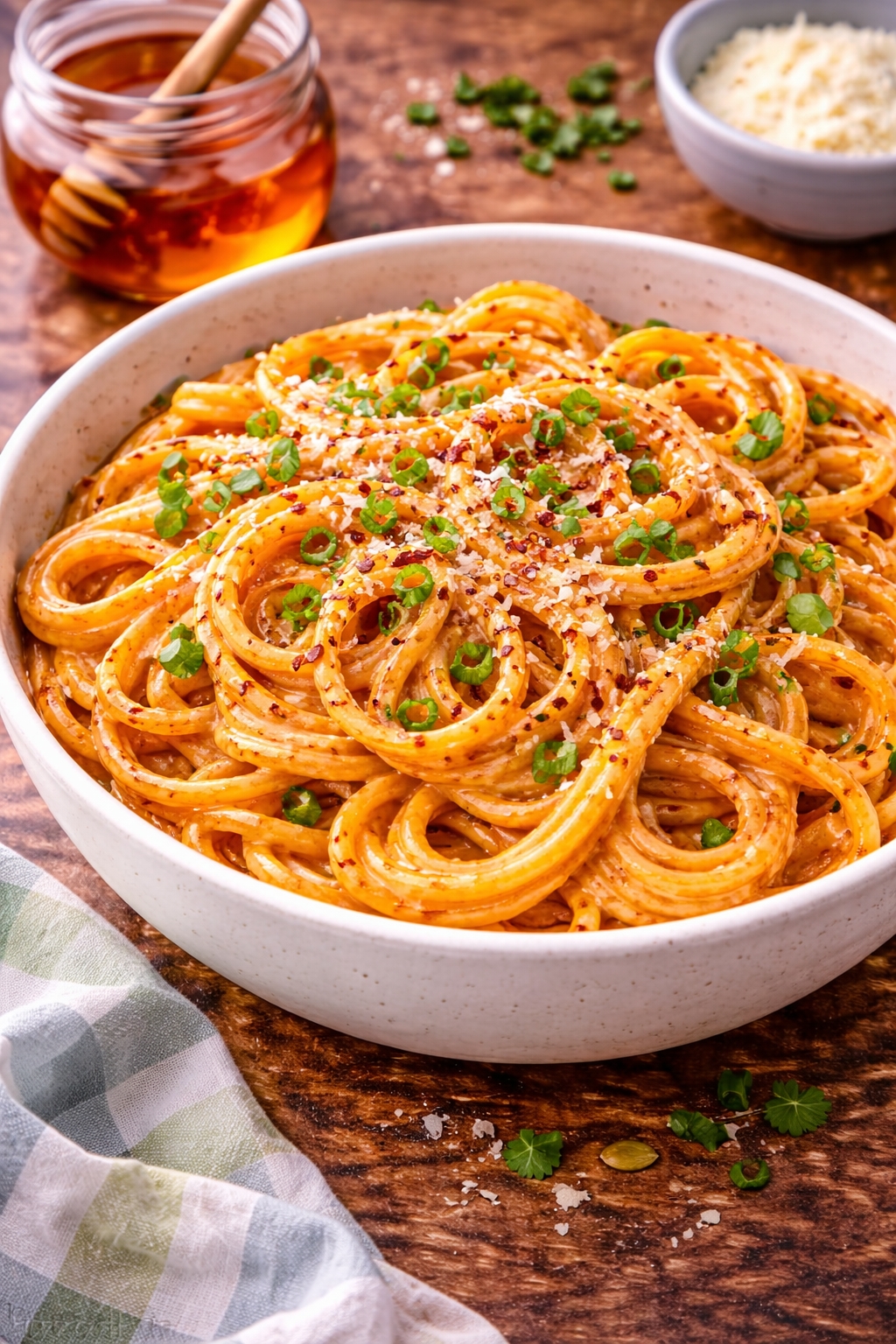
Creamy Gochujang Pasta - The success of this creamy gochujang pasta comes from careful control of texture, heat, and flavor balance. The base of the dish begins with butter and garlic, which create a rich and aromatic foundation. Cooking the garlic gently in butter releases its flavor without burning, ensuring that it enhances rather than overwhelms the dish. Gochujang is then added to the pan, where it is lightly cooked to deepen its flavor and integrate with the butter. This step is important because it allows the chili paste to bloom, releasing its full complexity. Cream is added next, transforming the mixture into a smooth, cohesive sauce. The cream softens the intensity of the gochujang while still allowing its character to remain prominent. Parmesan cheese is then incorporated, adding saltiness and umami while also helping to thicken the sauce. The key technique here is emulsification. When the cooked pasta is added to the sauce along with a small amount of pasta water, the starch helps bind everything together, creating a glossy coating that clings to each strand. This prevents the sauce from separating and ensures a consistent texture throughout the dish. The pasta itself should be cooked just until al dente, maintaining a slight firmness that contrasts with the creamy sauce. Overcooking the pasta can lead to a softer texture that does not hold the sauce as effectively. Spice level is another important factor. Gochujang provides a moderate heat that builds gradually, but it can be adjusted by adding chili flakes or reducing the amount used. This flexibility allows the dish to be tailored to different preferences without compromising its overall balance. Fresh elements can also be added to enhance contrast. Herbs such as parsley or green onions bring brightness, while a squeeze of lemon can add acidity that cuts through the richness of the sauce. Presentation is critical for maximizing impact. Twirling the pasta into a neat mound, finishing with grated parmesan, and adding a light sprinkle of herbs creates a clean, modern look that aligns with current food trends. The glossy finish of the sauce is especially important, as it signals richness and quality. This dish performs extremely well visually because of its color, texture, and composition. Another advantage of this recipe is its adaptability. It can be expanded with proteins such as chicken or shrimp, or made vegetarian with additional vegetables like mushrooms or spinach. It also works well for meal prep, as the flavors continue to develop over time. When reheated properly with a bit of cream or water, the sauce regains its smooth consistency without losing flavor. This makes it a practical choice for both immediate consumption and future meals. The final result is a creamy gochujang pasta that delivers depth, richness, and a modern fusion twist, making it one of the most effective and repeatable spicy pasta recipes available today.
Dietary Notes
- ✓ Fusion Recipe
- ✓ Viral Pasta
- ✓ Creamy Spicy
- ✓ Comfort Food
- ✓ Korean Trend
♥
Why You'll Love This
- Bold fusion flavor:
- Creamy and spicy balance:
- High engagement recipe:
- Easy to make:
- Highly adaptable:
Creamy Gochujang Pasta
👩🍳 Author: Abderrahmane
⏰ Prep Time: 15min
❄️ Cool Time: 5
🔥 Cook Time: 15min
🥨 Yield: 2
🍞 Method: Stovetop
🌾 Diet: None
★
★
★
★
★
Leave a review
1x
2x
3x
Ingredients
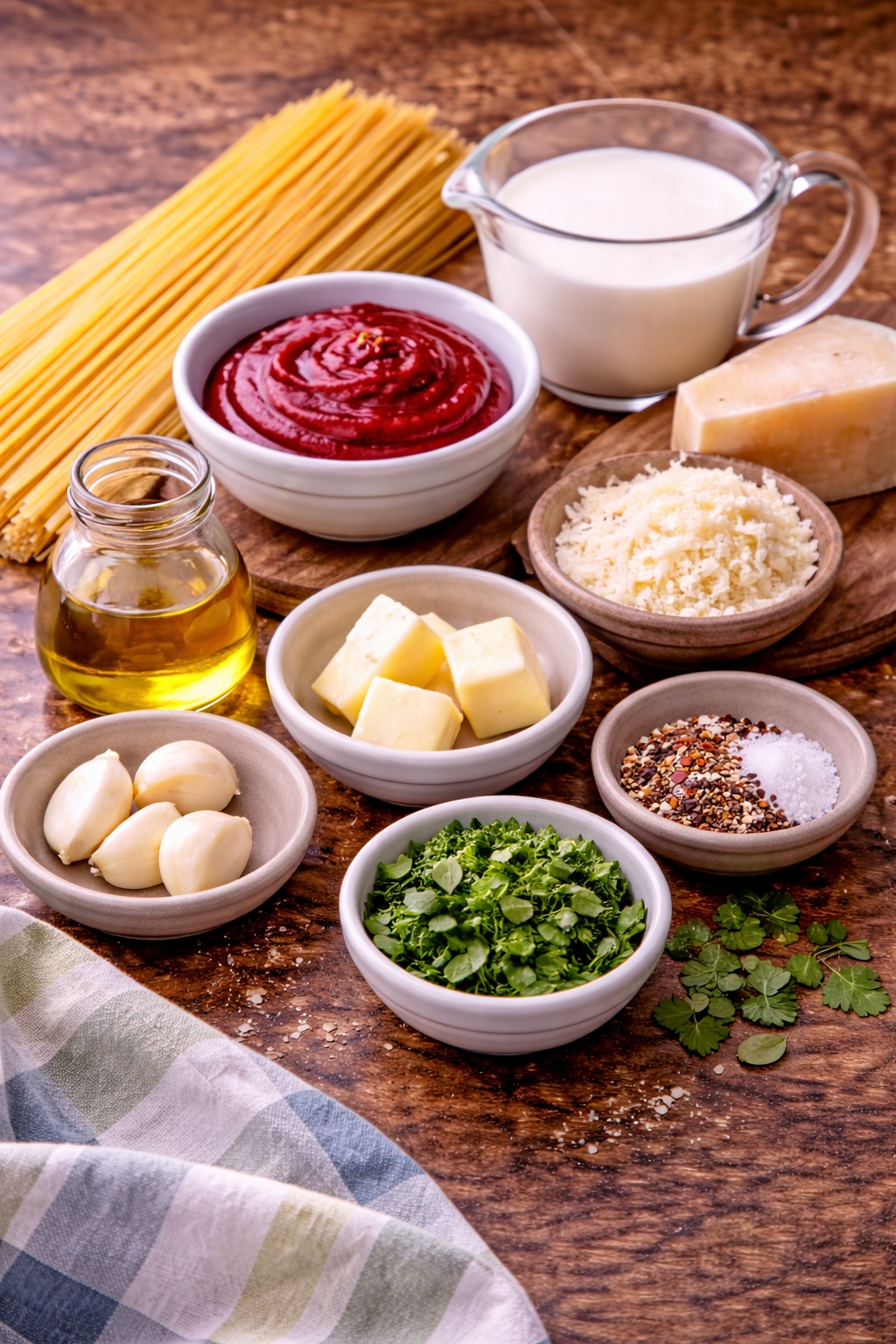
- 200g pasta
- 1 tbsp gochujang
- 1/2 cup heavy cream
- 1/4 cup parmesan cheese
- 2 tbsp butter
- 2 cloves garlic
- 1 tbsp olive oil
- optional chili flakes
- 1/4 cup parsley or green onions
- to taste salt and pepper
Ingredient Notes:
- gochujang Provides fermented chili depth and umami
- cream Balances spice and adds richness
- parmesan Adds saltiness and thickness
- butter Builds flavor base
- pasta water Helps emulsify sauce
Instructions
-
1Cook pasta until al dente and reserve some pasta water.
-
2Melt butter and sauté garlic until fragrant.
-
3Add gochujang and cook briefly to release flavor.
-
4Pour in cream and stir until smooth.
-
5Add parmesan and mix until melted.
-
6Combine pasta with sauce and adjust consistency with pasta water.
-
7Serve with garnish and optional chili flakes.
Nutrition Facts
Calories 520
Protein 14g
Carbs 55g
Fiber 3g
Sugar 6g
Fat 28g
Sodium 650mg
Potassium N/A
Serving Suggestions
Serve the creamy gochujang pasta immediately after cooking to enjoy the best texture and flavor. Begin by plating the pasta in a shallow bowl, using tongs to twist it into a neat mound that highlights the glossy coating of the sauce. Finish with a generous sprinkle of freshly grated parmesan cheese, allowing it to melt slightly into the warm pasta. Add a light scattering of chopped herbs such as parsley or green onions to introduce freshness and visual contrast. For an extra layer of flavor, a small drizzle of olive oil or a pinch of chili flakes can be added just before serving. This dish pairs well with simple sides such as a crisp green salad or garlic bread, helping balance the richness of the sauce. The best serving experience comes when the pasta is hot, the sauce is smooth and glossy, and the toppings remain fresh and vibrant, creating a balanced and satisfying meal.
How to Store?
Store leftovers in an airtight container in the refrigerator for up to two days. When reheating, use a pan over low to medium heat and add a small amount of cream or water to restore the sauce’s consistency. Stir gently to prevent the sauce from separating and to ensure even heating. Avoid high heat, as this can cause the sauce to break and lose its smooth texture. The pasta should be reheated only until warm, as overcooking can make it soft and reduce its ability to hold the sauce. This recipe is not ideal for freezing due to the cream-based sauce, which may separate when thawed. For meal prep, prepare the sauce and pasta separately and combine them just before serving for the best texture and flavor. This approach ensures that the dish remains creamy and cohesive, even when prepared in advance.
Other Recipes You'll L❤️ve
If you enjoyed this Creamy Gochujang Pasta or any other recipe on my blog,
please leave a ⭐ star rating and let me know how it went
in the comments below. I appreciate you taking time to read about this recipe, thank you!

Leave a Comment